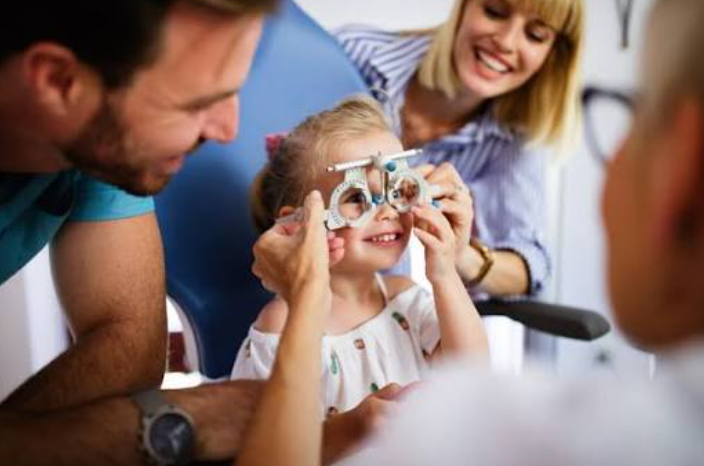
You might not think much about your vision until something changes. Maybe your child is squinting at the board in school, your eyes feel tired after long hours on a screen, or a parent you love is starting to struggle with reading labels or driving at night. That shift from “everything seems fine” to “something feels off” can bring a quiet kind of stress, because your eyes affect nearly every part of daily life. Seeing an Ophthalmologist in McLean can be an important step when those changes begin to affect everyday comfort and confidence.
That is why understanding the 5 Key Services Every Eye Doctor Provides Patients Of All Ages can help you feel more grounded. In simple terms, an eye doctor helps protect sight, catch problems early, prescribe the right correction, manage eye disease, and support long term eye health for children, adults, and older adults. When you know what care is available, it becomes easier to take the next step.
Why do routine eye exams matter more than most people realize?
It is easy to assume you only need an appointment when your vision gets blurry. The trouble is that many eye conditions begin quietly. You may not notice changes right away, and children often cannot explain what they are seeing because they do not know anything is wrong. Adults do this too. You adapt, you move closer to a screen, you avoid driving at night, and you tell yourself it is probably nothing.
Because of that, one of the most important services an eye doctor provides is a full eye exam. This is not just about reading letters on a chart. A proper exam checks how well you see, how your eyes work together, and whether there are signs of disease. A dilated eye exam can also help detect issues that are easy to miss in everyday life.
For children, these visits can shape learning and confidence. According to the CDC’s guidance on youth vision problems, vision issues can affect development and school performance. For older adults, regular exams may catch age related changes before they become harder to manage. So, where does that leave you? It means preventive care is often the service that saves the most trouble later.
See also: Accepting Crypto Payments in Your Business
What vision correction services can help when everyday tasks start to feel harder?
Another core service is vision correction. This includes prescriptions for glasses and contact lenses, along with updates when your needs change. It sounds simple, but the impact can be huge. A child who gets the right glasses may focus better in class. An adult who updates an old prescription may have fewer headaches. An older adult may feel safer walking down stairs or driving.
An eye doctor also helps match correction to your life. If you spend hours on a computer, work outdoors, play sports, or need multifocal lenses, those details matter. The goal is not just sharper vision. It is comfort, function, and less strain in the moments that fill your day.
This is one reason many families look for eye care services for all ages instead of one size fits all help. The right prescription at age seven is not the same as the right solution at age forty seven or seventy seven.
How does an eye doctor catch and manage eye disease before it gets worse?
Many people think of an eye doctor services visit as a vision check, but medical eye care is just as important. Eye doctors screen for and manage conditions such as glaucoma, cataracts, diabetic eye disease, dry eye, and macular degeneration. Some of these can progress without pain, which is part of what makes them unsettling.
If you have diabetes, high blood pressure, a family history of eye disease, or sudden changes in vision, this kind of care matters even more. The CDC explains why eye exams are important, especially because they can reveal problems before symptoms become severe.
Think about the difference early detection can make. Finding glaucoma early may help preserve vision. Identifying dry eye can ease daily irritation before it disrupts work or sleep. Catching diabetic eye changes can support treatment at a stage when more options may be available.
What other services does an eye doctor provide for children, adults, and seniors?
Beyond exams, prescriptions, and disease care, eye doctors often provide treatment for eye infections, allergy related irritation, eye injuries, and ongoing dry eye symptoms. They may also monitor how the eyes work together, which can matter for reading, depth perception, and visual comfort.
For children, this might mean spotting focusing problems early. For adults, it may mean relief from screen related strain. For seniors, it can include support for age related changes that affect independence. In that sense, a vision care provider does more than check eyesight. They help you keep up with work, school, caregiving, hobbies, and the ordinary tasks that keep life moving.
Which eye doctor service solves which problem?
When everything feels blurred together, a simple comparison can help you see what each service is really for.
| Service | Who It Helps | Common Signs You May Need It | Main Benefit |
|---|---|---|---|
| Routine eye exam | All ages | Time for a checkup, family history, no obvious symptoms | Finds vision changes and hidden eye problems early |
| Glasses or contact lens prescription | Children, teens, adults, seniors | Blurred vision, squinting, headaches, eye strain | Improves clarity and day to day comfort |
| Dilated eye exam | Adults and seniors, also others as needed | Diabetes, risk factors, unexplained vision changes | Helps detect disease that may not cause early symptoms |
| Medical eye care | All ages | Redness, pain, dryness, infection, injury, chronic conditions | Treats active problems and protects long term sight |
| Age specific vision monitoring | Children and older adults especially | School struggles, falls, reading trouble, night driving issues | Supports learning, safety, and independence |
What can you do right now to protect your family’s vision?
1. Pay attention to subtle changes. If you notice squinting, rubbing eyes, headaches, trouble reading, light sensitivity, or avoiding certain tasks, do not brush it off. Small signs often show up before someone says, “I cannot see well.”
2. Schedule routine exams before there is a crisis. Preventive care is easier, and often less stressful, than waiting until vision worsens. This is especially true for kids, older adults, and anyone with health conditions that raise the risk of eye disease.
3. Bring real life concerns to the appointment. Mention screen time, school issues, night driving, dry eyes, sports, medications, or family history. The more context you share, the more useful the care plan can be.
When vision changes, what is the next best step?
You do not need to have all the answers before seeking help. If something feels different, uncomfortable, or harder than it used to be, that is reason enough to get your eyes checked. The right care can bring clarity, peace of mind, and a better sense of control, whether the concern is small or something that needs closer attention.
Knowing these five key services can make the process feel less uncertain. An eye doctor can check your vision, prescribe correction, screen for disease, treat eye problems, and guide care through every stage of life. If you have been putting it off, now is a good time to schedule an appointment and give your eyes the attention they deserve.
