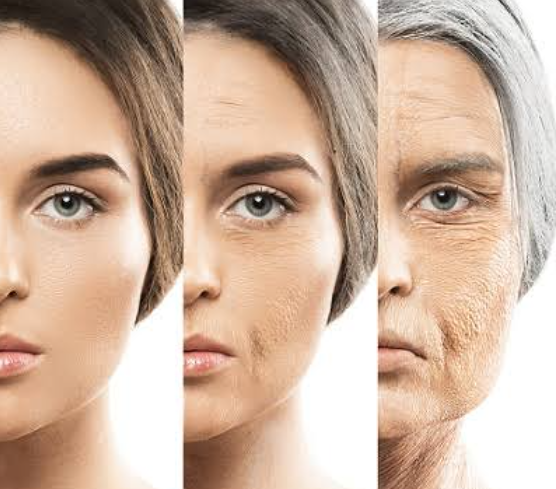
You might be looking in the mirror and noticing things you never used to see. A softer jawline. Faint sagging around the neck. Skin that used to bounce back now seems to stay where gravity puts it. You might feel a bit frustrated, maybe even betrayed by your own face. You take care of yourself, yet your skin seems to be changing faster than you are ready for. At our medical spa in Hudson Valley, New York, we understand these changes and can help you feel more like yourself again.
Because of this tension, you might be searching for answers and running into a wall of confusing terms. Skin tightening. Skin lifting—non-surgical lift. Collagen boosting. Everyone seems to promise “younger skin,” but you are left wondering what any of it really means, and what is actually right for you.
Here is the simple summary. Skin tightening treatments aim to improve firmness and texture of the skin itself. Skin lifting treatments aim to reposition or support sagging areas, such as the cheek or jawline. Sometimes one treatment can do a bit of both, but they are not the same goal. Understanding that difference can save you time, money, and disappointment, and can help you walk into a med spa consultation with calm confidence instead of stress.
What are you really hoping for when you say “tighter” skin?
It helps to start with what you actually want to see in the mirror. Many people use “tightening” and “lifting” as if they are the same thing, yet they describe different problems.
Imagine two people.
The first person has fine lines, a bit of crepey texture on the neck, and feels their skin looks “looser” up close, but the face shape has not changed much. This person is usually a better candidate for skin tightening vs skin lifting. They need help with texture and firmness, not a change in facial position.
The second person notices their cheeks have slid slightly downward, the nasolabial folds look deeper, and the jawline is less defined. They often lift their skin with their fingers in the mirror and think, “If only it would stay like that.” This person is usually thinking about lifting. They want their features gently repositioned, not just the surface smoothed.
So, where does that leave you? You might see a bit of both. That is common with natural aging. The key is to name what bothers you most. Texture and fine lines point toward tightening. Sagging contours and drooping point toward lifting.
How skin tightening works compared to skin lifting
Skin tightening treatments focus on the quality of the skin itself. Many of them work by heating the deeper layers of the skin to stimulate new collagen, which can gradually firm and smooth the surface over time. Examples include radiofrequency devices, ultrasound-based treatments, and some laser procedures. These can be helpful if you feel your skin looks a little loose or thin but still sits in the right place on your face.
Skin lifting treatments aim to address structure. This can include the deeper layers of tissue, ligaments, or even muscle that have shifted over time. In a med spa, “lifting” often means treatments like focused ultrasound to target deeper layers, thread lifts that physically support and reposition tissue, or injectable fillers used strategically to restore lost volume and subtly raise sagging areas.
Here is where expectations matter. A tightening treatment will not replace the results of a surgical facelift. It can make mild sagging look better and improve firmness, but it cannot move large amounts of tissue. A lifting-focused treatment can create more visible contour changes, but it may not do much for overall skin quality if the surface is thin, sun-damaged, or lined.
Another important nuance is safety. Radiofrequency microneedling and similar devices can be very appealing because they promise tightening with little downtime. At the same time, the FDA has issued guidance about potential risks with certain uses of RF microneedling. This does not mean the technology is always unsafe. It does mean you deserve a careful consultation, clear information, and a provider who respects your skin and your concerns.
If you feel overwhelmed by choices, that is understandable. The aesthetic world can feel more like marketing than medicine. Your job is not to memorize all the devices. Your job is to be honest about what bothers you and to choose a provider who listens and explains how each option works on your specific skin.
Comparing tightening and lifting treatments so you can choose wisely
Sometimes it helps to see the differences laid out side by side. This is a general guide, not a substitute for a personal evaluation, but it can clarify your thinking.
| Question | Skin Tightening Treatments | Skin Lifting Treatments |
|---|---|---|
| Main goal | Improve firmness, texture, and fine lines of the skin surface | Reposition or support sagging areas like cheeks, jawline, or brows |
| Typical methods | Radiofrequency, ultrasound, lasers, RF microneedling | Thread lifts, focused ultrasound to deeper layers, structural fillers |
| Best for | Mild looseness, crepey skin, early aging, prevention | Noticeable drooping, jowls, flattened cheeks, early jowl formation |
| Results timeline | Gradual. Often builds over 3 to 6 months as collagen forms | Often more immediate, then refines over weeks as tissue settles |
| Longevity of results | Typically 6 to 18 months, depending on treatment and lifestyle | Thread lifts and fillers usually 1 to 2 years. Surgical lifts longer |
| Discomfort and downtime | Usually mild to moderate. Redness or swelling for hours to a few days | Can range from mild (threads, fillers) to significant (surgery) |
| Risks | Burns, pigmentation changes, scarring if misused. See FDA RF guidance | Bruising, asymmetry, thread visibility, nerve or vessel injury with some methods |
| When it disappoints | When used on advanced sagging that really needs lifting or surgery | When skin quality is poor and no tightening or resurfacing is done |
For more background on noninvasive options to firm sagging skin, you can also review guidance from dermatology experts on treatments that help firm sagging skin. Reading neutral resources like this can help you ask better questions during your med spa visit.
Three practical steps before you commit to any tightening or lifting treatment
So, what can you do right now while you are still weighing your options and maybe feeling unsure about your next move?
1. Name your “one thing” that bothers you most
Stand in front of the mirror in good light. Gently lift different areas of your face and neck with your fingertips. Notice what actually makes you feel better when you do it. Is it lifting the jawline? Softening the folds around your mouth? Or simply smoothing the surface of the neck.
Write down the single main change you want. For example, “I want my jawline to look more defined” or “I want less crepey skin on my chest.” This simple sentence will help a provider understand whether a non-surgical skin lift or a tightening-focused approach makes more sense for you.
2. Ask every provider the same four questions
When you visit a med spa or clinic, treat it like an important consultation, not a quick beauty stop. Ask:
1. “Is my main issue skin quality, sagging structure, or both?” 2. “What result is realistic for me, and how long will it last?” 3. “What are the specific risks of this device or treatment for my skin type?” 4. “If I were your family member, would you still recommend this, or something else?”
A trustworthy provider will not rush these answers. They will explain how the treatment works, why it fits your goals, and whether a more basic skin tightening treatment might be enough for now.
3. Protect your collagen starting today
Whether you choose tightening, lifting, or both, your everyday habits will heavily influence how long your results last. UV exposure, smoking, poor sleep, and high stress can break down collagen faster than any device can build it.
Simple steps make a real difference. Daily broad-spectrum sunscreen. A gentle retinoid or retinol if your skin tolerates it. Avoiding tanning beds. Managing stress as best you can. These choices support your skin’s structure, which means any med spa treatment has a better chance of giving you natural, satisfying results.
See alos: Accepting Crypto Payments in Your Business
Bringing it all together so you can move forward with clarity
It is completely normal to feel uneasy when your face or neck starts to change in ways you did not expect. You are not being vain. You are simply reacting to seeing a reflection that no longer matches how you feel inside.
Understanding the difference between tightening and lifting gives you back a sense of control. Tightening focuses on the quality and firmness of the skin. Lifting focuses on repositioning sagging areas and restoring contour. Many people benefit from a thoughtful combination of both, planned out over time, rather than chasing every new device.
You deserve a calm, honest conversation with a qualified professional who sees you as a person, not a sales target. When you walk into a med spa with clear language for what you want and clear questions to ask, you are far more likely to walk out with a plan that feels right for your face, your budget, and your peace of mind.
