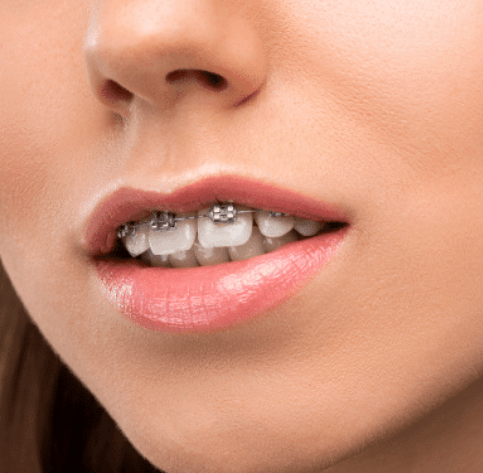
You might already know something feels off, even if you cannot quite name it. Maybe your teeth do not meet the way they should, your jaw feels tense when you chew, or you have noticed speech changes, worn teeth, or frequent biting of your cheek. What starts as a small annoyance can slowly turn into daily stress, because eating, smiling, and even resting your mouth should not feel like work. The short version is simple. Orthodontists are trained to find the cause of bite problems, plan treatment around how your teeth and jaws work together, and guide safe, steady correction over time with options such as Carmel clear aligners.
That matters more than many people realize. A bite issue is not only about appearance. It can affect comfort, oral health, and long term function. According to MedlinePlus information on malocclusion, bite problems can involve crowding, overbite, underbite, crossbite, and other alignment concerns that change how the upper and lower teeth fit together. Because of this, you may be wondering why an orthodontist, rather than a general approach or a quick fix, is often the right choice.
What makes bite problems so hard to fix on your own?
Bite issues can look simple from the outside, but they rarely are. One tooth may seem crooked, yet the real cause could involve jaw growth, missing teeth, crowding, habits from childhood, or how pressure is spread when you bite down. When the problem is deeper than it appears, trying to focus only on the teeth you can see may leave the real issue untouched.
This is where the difference becomes clear. An orthodontist studies how teeth move, how jaws develop, and how facial structures affect the bite. That extra training is why orthodontists for bite correction can spot patterns that are easy to miss. They are not just straightening teeth. They are looking at function, balance, and stability, so the result has a better chance of lasting.
And if a bite problem is ignored, what happens then? In some cases, the effects stay mild. In others, the strain builds. Teeth can wear unevenly, gums may become harder to clean around crowded areas, and chewing can feel less efficient. Some people also deal with jaw discomfort or headaches that seem unrelated at first. Research discussed in the NCBI overview of malocclusion explains how bite irregularities can affect both oral function and quality of life.
Why are orthodontists the right experts for correcting bite issues?
The answer comes down to training, planning, and precision. A general dentist plays an important role in keeping your teeth healthy, but an orthodontist has advanced education focused on tooth movement and jaw alignment. That means they know how to evaluate the mechanics behind your bite, not just the visible symptoms.
Think about a common example. You may see a child with front teeth that stick out, or an adult with lower teeth overlapping and twisting inward. To someone outside the profession, both cases may seem to call for the same solution. But one patient may need early guidance because the jaws are developing unevenly, while the other may need a careful plan to create space without harming the bite. That level of judgment is why bite alignment treatment should be built around a full diagnosis, not guesswork.
Orthodontists also monitor progress in stages. Teeth do not move safely all at once. Pressure must be controlled, timing matters, and each adjustment affects the rest of the mouth. Whether treatment uses braces, clear aligners, expanders, or retainers, the goal is not only movement. The goal is healthy movement.
How does professional care compare with waiting or trying shortcuts?
When life is busy, it is tempting to put off treatment, especially if the problem does not feel urgent. Some people also look for cosmetic only options that promise speed. But a bite issue is often functional first, cosmetic second. If the bite is not properly assessed, the result may look better for a while but still leave strain underneath.
| Approach | What It May Offer | What It May Miss |
|---|---|---|
| Waiting and watching | More time to decide, no immediate cost | Ongoing wear, crowding, jaw strain, harder correction later |
| Cosmetic only tooth straightening | Focus on visible appearance | Limited attention to jaw fit, chewing forces, long term stability |
| Professional orthodontist care | Full bite analysis, custom treatment plan, monitored tooth movement | Requires time, follow up, and commitment |
So, where does that leave you? Usually with a simple truth. The best time to understand a bite issue is before it creates more stress. An orthodontist can tell you whether the concern is mild, whether it should be watched, or whether treatment would improve comfort and function now.
What can you do right now if you think your bite is off?
1. Pay attention to patterns. Notice whether you have trouble chewing, jaw soreness, tooth wear, crowding, speech changes, or frequent cheek biting. These details help show whether the issue is cosmetic, functional, or both.
2. Get a proper orthodontic evaluation. A full exam can reveal what is happening beneath the surface. This is the clearest way to learn whether orthodontic treatment is needed and what type would fit your situation.
3. Ask about the long term picture. Do not stop at “Can this be straightened?” Ask how treatment may affect comfort, cleaning, tooth wear, and retention after active care ends. A good plan should explain not only how teeth will move, but how the bite will work afterward.
See also: The Difference Between Skin Tightening And Skin Lifting
When your bite affects daily life, what should you remember?
If you have been living with discomfort, uncertainty, or the sense that your smile does not quite function the way it should, you are not overthinking it. Bite issues can affect far more than appearance, and getting clear answers can bring real relief. Orthodontists are experts in correcting bite issues because they are trained to see the full picture, from jaw position to tooth movement to long term stability.
You do not need to figure it all out alone. Taking the next step starts with asking the right questions and getting the right evaluation, so you can move from guessing to knowing, and from coping to improving.
