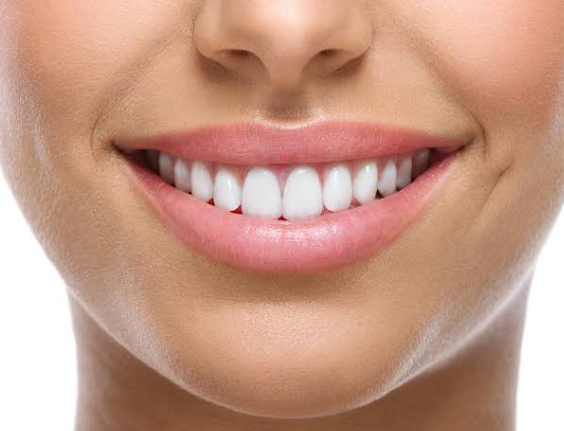
You might be looking in the mirror and thinking about straighter teeth, whiter enamel, or a more balanced smile, yet something still feels uncertain. That feeling makes sense. When you want cosmetic change, it is easy to focus on the final look and miss the foundation underneath it. A beautiful smile is not only about shape and color. It also depends on healthy gums, stable teeth, a comfortable bite, and habits that protect the work over time. That is why general dentistry, including Antioch dental care, so often creates the strongest starting point for smile design.
If you are weighing options, the short answer is simple. Cosmetic improvements tend to last longer and look more natural when they are built on clean teeth, healthy gum tissue, and a bite that works well day to day. In other words, general dentistry as a foundation for cosmetic dentistry is not a side issue. It is often the reason the final result feels right and stays that way.
Why does smile design work better when oral health comes first?
It is tempting to think of smile design as a surface change. Veneers, bonding, whitening, and contouring all seem to live on the outside. But your smile rests on structures that need attention first. If plaque buildup, gum inflammation, tooth decay, or worn enamel are already present, cosmetic work may hide a problem for a while without solving it.
Because of that tension, you might wonder whether a routine exam and cleaning really matter before cosmetic treatment. They do. General dental care can uncover small cavities, early gum disease, bite issues, and grinding patterns before they become expensive setbacks. A dentist may also notice areas where enamel is thin or where old fillings no longer support the tooth well. Those details shape what kind of smile design is safe, realistic, and worth the investment.
Think about a common scenario. You want whitening, but the real issue is uneven color caused by old dental work and enamel wear. Or you want veneers, yet your gums are irritated and your bite places too much force on the front teeth. In both cases, the cosmetic goal is reasonable, but the path to it starts with general care. That is one reason smile makeover planning with general dental care tends to lead to more predictable results.
What problems can happen when cosmetic goals skip basic dental care?
When general care gets pushed aside, the risk is not only clinical. It is emotional and financial too. You may spend money on a smile you love at first, only to face sensitivity, gum recession, staining around old margins, or restorations that chip because the bite was never balanced. That kind of disappointment can feel personal. You were trying to feel better about your smile, not add another problem to manage.
There is also the issue of maintenance. Cosmetic work does not live in a vacuum. Crowns, veneers, bonding, and whitening all depend on daily habits and regular checkups. The National Institute of Dental and Craniofacial Research offers practical guidance on oral hygiene habits that support both health and appearance. Brushing, flossing, and routine visits may sound basic, but they are often what protect the look you paid for.
So, where does that leave you if your main goal is appearance? In a better place than you may think. General dentistry is not a detour from smile design. It is often the shortest path to a result that feels stable, natural, and easier to maintain.
How does general dentistry compare to cosmetic treatment alone?
Sometimes the clearest way to sort this out is to see the difference side by side. If you are deciding between starting with cosmetic changes right away or building from a health first plan, this comparison can help.
| Approach | Main Focus | Possible Short Term Result | Long Term Consideration |
| Cosmetic treatment alone | Color, shape, alignment, surface appearance | Fast visual improvement | Problems like decay, gum disease, or bite stress may shorten the life of the work |
| General dentistry and smile design | Health, function, comfort, then appearance | May take more planning at the start | Often supports better fit, better comfort, and longer lasting cosmetic results |
That second path can also support prevention. The CDC shares useful oral health tips for adults, including steps that reduce the risk of decay and gum disease. Those habits matter even more when you have cosmetic dental work to protect.
What can you do right now if you want a better smile?
1. Start with a full exam, not just a cosmetic wish list.
Ask for a complete review of your teeth, gums, bite, and existing dental work. If something needs treatment first, you will know before making cosmetic decisions. That can save money and prevent frustration.
2. Get clear on your daily habits.
If you grind your teeth, skip flossing, or have frequent sensitivity, say so. Those details are not small. They help shape which cosmetic options make sense and what kind of maintenance you may need after treatment.
3. Ask how the plan supports both function and appearance.
A good cosmetic outcome should look good and feel easy to live with. Ask how the proposed treatment affects your bite, gum health, cleaning routine, and future repairs. A strong answer usually points back to sound general dentistry.
See also: Accepting Crypto Payments in Your Business
Could the best smile design plan be the one that starts slower?
In many cases, yes. A slower start can feel frustrating when you are ready for change, but it often leads to better results. Cleanings, fillings, gum care, bite adjustments, and preventive planning may not sound exciting, yet they are often what make the cosmetic phase smoother and more lasting. They help your smile look better without asking you to ignore what your mouth needs.
If you have been thinking about improving your smile, take that next step with confidence and ask for a plan that starts with health, function, and comfort first. That is often the clearest path to a smile that looks good, feels right, and holds up over time.
