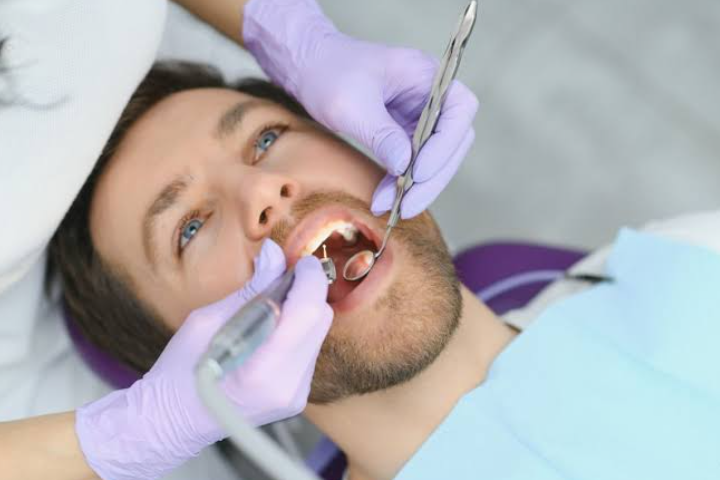
You may have noticed bleeding when you brush, a bad taste that keeps coming back, or teeth that do not feel as steady as they used to. That can be easy to put off. Life gets busy, and gum problems often start quietly. Still, when your gums are pulling away, or infection is settling in around the roots, the issue is not only comfort. It is whether your natural teeth stay healthy enough to last, and a Santa Ana laser-assisted care for healthier gums can help support that goal.
That is where a periodontist and implant dentist can make a real difference. A periodontist focuses on the gums, bone, and supporting structures that hold teeth in place. The short version is simple. If gum disease, bone loss, or loose teeth are threatening your smile, early periodontal care can often slow the damage, treat the infection, and help you keep the teeth you already have.
Periodontists treat gum disease before it leads to tooth loss
Most adult tooth loss does not begin with a cracked tooth. It begins in the gums. According to the CDC’s overview of gum and periodontal disease, gum disease is common and can range from mild inflammation to serious infection that damages soft tissue and bone. You might think, “My teeth do not hurt, so maybe it is not serious.” Gum disease does not always announce itself with sharp pain. It often shows up as bleeding, swelling, tenderness, chronic bad breath, or gums that look lower than they used to.
A periodontist can measure the pockets around your teeth, check for bone loss, and identify where infection is active. That matters because the longer bacteria stay trapped below the gumline, the more support your teeth can lose. One of the main ways periodontists save natural teeth is by stopping that cycle early enough to protect the foundation of your smile.
Deep cleaning and infection control protect the structures supporting your teeth
Brushing and flossing at home matter, but they cannot remove hardened buildup deep below the gumline. When plaque turns into tartar and infection settles in, routine cleanings may not be enough. A periodontist may recommend scaling and root planing, targeted antimicrobial treatment, or other therapies designed to clean infected root surfaces and help the gums reattach.
This step often sounds more intimidating than it is. What it really means is getting the bacteria out of spaces your toothbrush cannot reach. Left alone, those pockets can deepen, the gums can recede more, and teeth can begin to shift. With early treatment, many patients avoid the downhill slide and maintain function that might otherwise be lost.
Periodontal specialists manage bone loss and gum recession with precision
When gums recede, teeth can look longer, feel sensitive, and become harder to clean well. When bone loss sets in, the problem goes deeper. Teeth rely on bone and healthy gum tissue for support. If either one is compromised, even a tooth that looks fine above the surface may be at risk.
A periodontist is trained to manage these structural problems. In some cases, that means gum grafting to cover exposed roots and reduce sensitivity. In others, it means regenerative procedures aimed at rebuilding some of the lost support around teeth. The National Institute of Dental and Craniofacial Research explains that advanced gum disease can destroy the bone that supports teeth, which is why specialized care matters when the condition progresses beyond mild gingivitis.
This is one reason many people seek a periodontist for natural tooth preservation instead of waiting until extraction feels unavoidable. Saving a tooth is often less about the visible crown and more about restoring the tissue around it.
Periodontists help control bite changes, tooth mobility, and long-term damage
Loose teeth can feel alarming. You chew differently, avoid certain foods, and notice small shifts that make your bite feel off. That movement is not only inconvenient. It can be a sign that infection or bone loss has already weakened the support around the tooth.
A periodontist can assess whether mobility is caused by gum disease, bite trauma, clenching, or a mix of issues. Treatment may include periodontal therapy, splinting in select cases, and coordination with your general dentist or other specialists. The goal is to reduce the forces and inflammation that keep pushing the tooth toward failure.
This is where a periodontal specialist often changes the outcome. Instead of watching a loose tooth get worse over time, you get a plan that addresses the reason it became unstable in the first place.
Professional periodontal care offers more protection than waiting and watching
Many people try to monitor gum symptoms at home because they hope the bleeding will settle down on its own. Sometimes mild irritation does improve with better brushing. Established periodontal disease usually does not. The difference between home care and professional treatment becomes clearer when you look at what each can and cannot do.
| Situation | Home Care Alone | Professional Periodontal Care |
|---|---|---|
| Bleeding gums | May reduce surface irritation if caused by plaque at the gumline | Identifies pocket depth, infection level, and whether gum disease is present |
| Tartar below the gums | Cannot remove hardened deposits under the gumline | Removes buildup with scaling and root planing or other treatment |
| Gum recession | Cannot reverse lost tissue | Can treat causes and, in some cases, restore coverage with grafting |
| Bone loss | Cannot diagnose or rebuild support | Uses exams and imaging to diagnose and may offer regenerative care |
| Loose teeth | May worsen if underlying cause continues | Targets infection, bite issues, and support loss to improve stability |
Daily care still matters. The National Institute on Aging’s guidance on taking care of your teeth and mouth reinforces basics like brushing, flossing, and regular dental visits. Those habits support treatment, but they do not replace it when gum disease has already moved below the surface.
See also: Accepting Crypto Payments in Your Business
Three steps you can take right now to protect your natural teeth
Pay attention to early signs. Bleeding, swelling, recession, persistent bad breath, and teeth that feel different when you bite are not small things. Write down what you have noticed and how long it has been happening. That helps a specialist spot patterns faster.
Schedule a periodontal evaluation before symptoms get worse. Waiting usually gives infection more time to damage bone and soft tissue. A focused exam can tell you whether the problem is mild irritation or active periodontal disease that needs treatment.
Support the gums you have. Brush gently twice a day, clean between your teeth daily, avoid tobacco, and keep up with follow-up visits. If you grind or clench, mention it. Extra force on already stressed teeth can speed up the damage.
Keeping your natural teeth is often possible, even when gum problems have already started. The key is catching the cause, treating it directly, and giving the teeth better support before the damage goes too far. If you have been hoping the bleeding or looseness will pass, this is a good time to act. Schedule a visit with a periodontist and implant dentist and find out what can still be saved.
