You notice one side of your child’s face looks puffy, or they complain that their jaw hurts when they chew, yawn, or try to sleep on one side. That kind of swelling can feel alarming fast. Your mind goes to infection, injury, maybe something worse, and it is hard to know whether this is something to watch for a few hours or something that needs urgent care. In some cases, follow-up care may also include early orthodontic evaluations in West Covina.
How Pediatric Dentists Evaluate Jaw Swelling In Children usually comes down to a few core questions. Where is the swelling, how quickly did it start, is there pain or fever, and does it connect to a tooth, the gums, the salivary glands, the jaw joint, or an injury. A pediatric dentist looks at the whole picture, not just the swollen area, because the cause shapes the next step.
Pediatric dentists look for the source of jaw swelling first
Jaw swelling in children can come from a dental infection, a cavity that reached the nerve, a gum abscess, trauma, a blocked salivary gland, swollen lymph nodes, or less common bone and soft tissue conditions. Some cases look dramatic but are less urgent. Others start small and need quick treatment because swelling in the face can spread.
The first part of the visit is often simple and focused. A pediatric dentist asks when the swelling began, whether it came on overnight or over several days, whether your child has a fever, trouble swallowing, bad taste in the mouth, recent dental pain, or a fall or hit to the face. If your child has been waking at night with tooth pain and then develops cheek or jaw swelling, that pattern often points toward an infected tooth.
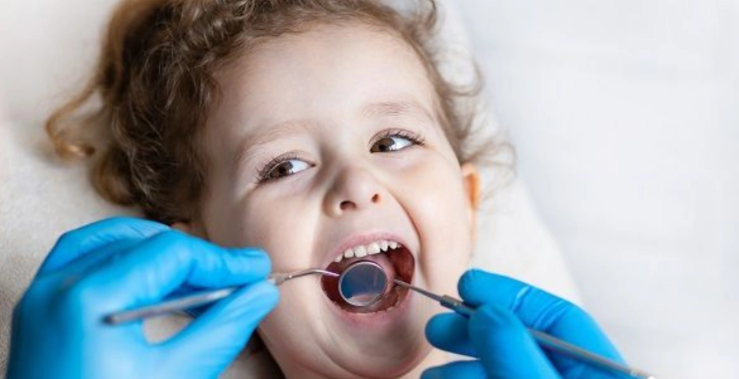
The exam itself usually includes looking inside the mouth for gum redness, pus, loose teeth, deep decay, or a tender tooth. The dentist also checks the outside of the face, the jaw joint, and the lymph nodes under the jaw and in the neck. If your child winces when a certain tooth is tapped, or if the swelling tracks along the gumline, that gives useful clues.
Imaging is often part of a pediatric dental jaw swelling evaluation. Dental X rays can show infection at the root, damage to developing teeth, cysts, or bone changes. In some cases, especially when the swelling is severe, deep, or not clearly tied to a tooth, a child may need added imaging or referral for medical evaluation.
Symptoms change how urgent the dental evaluation becomes
Not every swollen jaw means an emergency, but some symptoms raise concern right away. Fever, spreading swelling, trouble opening the mouth, pain with swallowing, drooling, lethargy, or breathing changes need prompt attention. A child who seems tired, warm, and less interested in eating is giving you useful information, even if they cannot explain the pain clearly.
Dental infections are a common reason children develop facial or jaw swelling. Treatment depends on the source. Sometimes the answer is draining the infection, treating or removing the tooth, and managing pain. Antibiotics may help in certain cases, though they are not the only treatment and they do not fix the source by themselves. The American Academy of Pediatric Dentistry explains when antibiotics are used in its guidance on antibiotic therapy for pediatric dental patients.
There are also times when the swelling is not dental at all. Salivary gland swelling can cause pain near the jaw, especially around meals. Enlarged lymph nodes from a throat or ear infection can make the area under the jaw feel enlarged. Trauma can lead to bruising, tenderness, and swelling even if no tooth is broken. In rarer cases, jaw swelling connects to cysts, tumors, or bone infection. A broader medical review may be needed, and this overview of facial swelling causes and evaluation helps show how many different conditions can overlap.
Home monitoring and a pediatric dentist exam are not equal options
Parents often try to sort out whether swelling can wait until morning or whether they should call right away. That instinct makes sense, but swelling around the jaw is one of those problems where the cause matters more than the appearance.
| Situation | What home care can do | What a pediatric dentist can assess | Risk of waiting |
|---|---|---|---|
| Mild swelling with no fever | Cold compress, fluids, watch for changes | Check teeth, gums, bite, X rays if needed | Hidden infection may worsen overnight |
| Swelling with tooth pain | Temporary pain relief only | Find source tooth, drain infection, plan treatment | Pain and infection can spread |
| Swelling after injury | Ice and rest may reduce discomfort | Look for fractures, tooth damage, jaw movement problems | Missed injury may affect healing or tooth survival |
| Swelling with fever or trouble swallowing | Not enough | Urgent dental or medical triage | Higher chance of serious infection |
A pediatric dentist is trained to separate common dental swelling from signs that point somewhere else. That saves time, and in some cases it prevents a small problem from turning into a hospital level one.
Three steps you can take right away when your child has jaw swelling
1. Check for red flag symptoms. Look for fever, fast spreading swelling, trouble swallowing, trouble breathing, drooling, severe pain, or your child acting unusually sleepy or weak. Those signs need same day urgent care.
2. Keep your child comfortable without masking the problem. Use a cold compress on the outside of the face, offer water, and give age appropriate pain medicine only as directed by your child’s doctor or dentist. Do not place aspirin on the gums or try to press on the swelling.
3. Arrange a prompt professional exam. If the swelling is near the teeth, gums, cheek, or jaw, call a pediatric dental office and describe exactly what you see, when it started, and whether there is pain or fever. A clear timeline helps the office judge urgency and prepare for the visit.
See also: Accepting Crypto Payments in Your Business
Early evaluation gives your child the safest path forward
When your child’s jaw looks swollen, it is hard not to jump to worst case scenarios. Most causes are treatable, and the right next step usually becomes clearer once a pediatric dentist examines the teeth, gums, jaw, and surrounding tissues. Quick evaluation matters because swelling can shift from manageable to urgent faster than many parents expect.
If your child has jaw swelling, tooth pain, facial puffiness, or tenderness near the jaw, schedule a pediatric dental evaluation as soon as you can. Getting answers early is often the fastest way to relieve pain and protect your child’s health.
