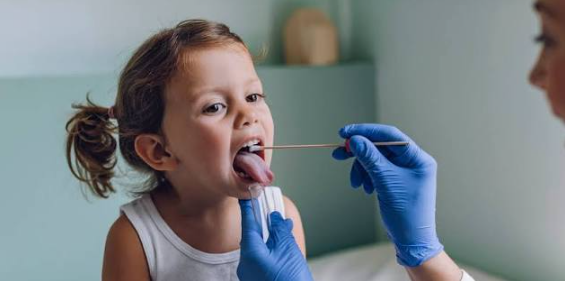
You noticed a small bump inside your child’s mouth, maybe under the tongue or along the lip, and now it is hard to think about anything else. That reaction makes sense. Anything unusual in a child’s mouth can feel alarming, especially when it looks like it appeared out of nowhere or keeps coming back after seeming to shrink. If you are concerned, a children’s dentist in Crenshaw can help evaluate what is going on.
In many cases, salivary gland cysts in children are watched closely before anything more is done. A pediatric dentist monitoring oral cysts in children is looking at size, color, location, symptoms, and how the area changes over time. Some cysts stay stable or resolve, while others need imaging, referral, or treatment. The goal is simple. Protect your child’s comfort, oral function, and growth without rushing into care they may not need.
Pediatric dentists track changes in salivary gland cysts over time
Salivary gland cysts often show up as soft, rounded swellings caused by blocked or injured salivary ducts. In children, one common example is a mucocele, which may form on the lower lip after repeated lip biting or minor trauma. Another is a ranula, which often appears under the tongue and can look larger or more noticeable because of its location.
The hard part for parents is the uncertainty. A bump that does not seem to hurt can still be unsettling, and one that changes size from day to day can feel even more confusing. You may wonder if waiting is risky, or if acting too fast means putting your child through treatment they did not need.
This is where careful monitoring matters. A pediatric dentist starts with a clinical exam and health history. They note when the swelling first appeared, whether it comes and goes, whether your child bites the area, and whether eating, swallowing, or speaking has changed. They also check for signs that point away from a simple cyst, such as firmness, rapid growth, infection, bleeding, or pain.
According to the American Academy of Pediatric Dentistry, oral soft tissue findings in children should be evaluated with attention to appearance, duration, symptoms, and progression, with referral or biopsy when the lesion does not follow a harmless pattern. You can review the AAPD’s guidance on oral pathology assessment in children for a clearer sense of how these decisions are made.
see also: How Family And Cosmetic Dentistry Support Confidence At Every Age
Watchful follow up helps separate harmless changes from signs that need treatment
Monitoring is not passive. It usually means scheduled rechecks, photos, measurements, and clear instructions for what you should watch at home. If the cyst is small, soft, and not interfering with daily life, the dentist may recommend a period of observation. If it enlarges, returns often, or affects speech or eating, the next step may be imaging or referral to a specialist.
This is especially true with lesions under the tongue. A ranula can look manageable at first, then start crowding the floor of the mouth. A child who was eating normally may begin avoiding certain foods, speaking differently, or complaining that the area feels strange. Those changes tell the dentist the cyst is affecting function, not just appearance.
The broader approach to monitoring salivary cysts in kids also includes ruling out infection or gland disorders that can mimic a cyst. MedlinePlus explains that salivary gland problems can involve blockage, swelling, infection, or stones, all of which can change treatment planning. Their overview of salivary gland disorders gives a helpful plain language summary.
When the lesion does not improve, diagnosis may need to move beyond observation. The AAPD’s recommendations on management considerations for pediatric oral surgery and oral pathology support referral when a lesion persists, recurs, or raises concern based on exam findings.
Home observation and pediatric dental follow up serve different purposes
| What is being compared | Home observation | Pediatric dentist follow up |
|---|---|---|
| Main goal | Notice day to day changes | Identify whether the lesion fits a harmless pattern or needs treatment |
| What gets tracked | Size, color, pain, eating changes, repeat swelling | Exact location, texture, duration, function, trauma history, growth pattern |
| Best use | Between visits | Diagnosis, monitoring plan, referral decisions |
| Limits | Parents cannot confirm the type of lesion by appearance alone | May still require imaging or specialist care if the lesion persists |
| When it is not enough | Swelling grows fast, causes pain, affects swallowing, or bleeds | Lesion recurs often, interferes with function, or has unusual features |
This is where families often get stuck. The bump may seem too minor for urgency, yet too unusual to ignore. Watching at home helps, but it does not replace a trained exam. A pediatric dentist is looking for patterns that most parents would never be expected to recognize.
Clear next steps make salivary gland cyst monitoring less stressful
1. Track the lesion with simple notes and photos.
Take a clear photo every few days if your child allows it. Note the date, whether the bump looks larger or smaller, and whether your child mentions pain, trouble eating, or changes in speech. This gives the dentist a timeline instead of a vague memory.
2. Reduce irritation inside the mouth.
If the cyst is on the lip, try to notice whether your child bites or sucks that area. Offer softer foods if chewing seems uncomfortable, and avoid poking or pressing on the bump. Repeated trauma can keep a lesion irritated and make it harder to tell whether it is improving on its own.
3. Know the signs that should speed up evaluation.
Call for prompt dental or medical review if the swelling grows quickly, becomes painful, starts draining, causes fever, affects swallowing, or makes it hard for your child to speak or eat. Those changes can mean the problem is no longer one to simply watch.
Steady monitoring protects your child without rushing care
You do not need to panic over every bump in your child’s mouth, and you do not need to guess your way through it either. How pediatric dentists monitor salivary gland cysts in children comes down to pattern recognition, follow up, and stepping in when the cyst stops behaving like a minor issue. That balance matters. It keeps children from getting unnecessary treatment, and it helps catch the cases that should not wait.
If you have noticed a swelling that is not going away, schedule an evaluation with a pediatric dental provider so your child can be examined and monitored with a clear plan.
