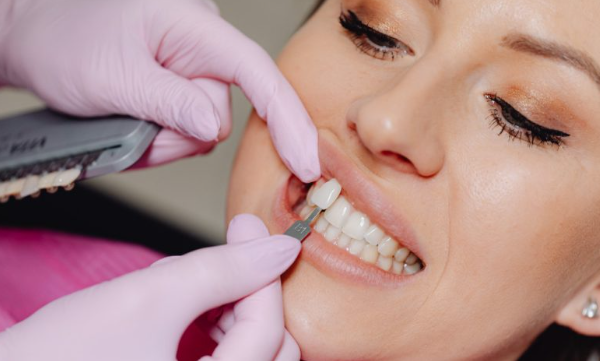
You finally did it. You chose the smile upgrades you had been thinking about for a long time, whether that meant veneers, crowns, whitening, or a mix of cosmetic and restorative care with a cosmetic dentist in Morgan Hill, CA. At first, it feels exciting. Then a quieter thought often shows up. How do you keep that result looking good, and how do you avoid paying again for problems that could have been prevented?
That worry makes sense. Dental work is not only about appearance. It is also time, trust, comfort, and money. The short answer is this. Preventive care helps protect your investment by lowering the chance of decay, gum disease, staining, chips, and early replacement. Good habits at home, regular cleanings, and checkups with a general and cosmetic dentist can help your smile last longer and stay healthier.
Why can cosmetic dental work fail sooner without preventive care?
It is easy to think veneers, crowns, and whitening are the finish line. In truth, they are part of an ongoing relationship with your oral health. A veneer can still be affected by grinding. A crown can still sit next to gum tissue that becomes inflamed. Whitening can fade faster if staining habits and home care stay the same. So, where does that leave you?
It means the work around the restoration matters just as much as the restoration itself. Plaque does not ignore cosmetic dentistry. If bacteria collect near the edge of a crown or veneer, the tooth underneath can still develop trouble. According to the MedlinePlus overview of tooth decay, decay starts when plaque and acids damage tooth structure. That risk does not disappear because a tooth looks better from the outside.
There is also the gum issue. Even beautiful dental work can look uneven if the gums around it become swollen or recede. And whitening, while effective, is often the first treatment to lose its “fresh” look when coffee, tea, red wine, tobacco, or inconsistent brushing enter the picture again. That is why preventive care for veneers, crowns, and whitening matters so much. It protects both appearance and function.
See also: Why Orthodontists Are Experts In Correcting Bite Issues
What does preventive care actually do for veneers, crowns, and whitening?
Preventive care works in quiet ways, which is part of why people underestimate it. It catches small issues before they turn expensive. It helps your dentist spot a bite problem before it chips porcelain. It removes buildup that brushing alone may miss. It also gives you a chance to adjust habits that shorten the life of cosmetic work.
Harvard School of Dental Medicine explains that dental treatments such as crowns and veneers are designed to restore teeth, but long term success depends on overall oral health and maintenance. In other words, the restoration is only one piece of the picture.
Think of it in real life terms. If you whiten your teeth but skip cleanings, surface stains return faster. If you get a crown but clench your jaw at night without a guard, that pressure may wear down the crown or the surrounding teeth. If you have veneers and your gums become inflamed, the edges may become more visible, which changes the whole look of your smile. This is why protecting cosmetic dental work with preventive care is not extra. It is part of the treatment plan.
How do daily habits compare to neglected care over time?
You do not need a perfect routine. You do need a steady one. The Centers for Disease Control and Prevention shares oral health tips for adults that include brushing twice a day with fluoride toothpaste, cleaning between teeth daily, limiting sugary foods and drinks, and seeing a dentist regularly. These simple steps support natural teeth and dental restorations alike.
| Habit or Choice | Short Term Result | Long Term Effect on Veneers, Crowns, and Whitening |
| Regular brushing, flossing, and dental cleanings | Cleaner teeth and fresher breath | Lower risk of decay around crowns, healthier gums around veneers, slower stain buildup after whitening |
| Skipping checkups because teeth “feel fine” | No immediate discomfort | Small cracks, bite issues, or gum inflammation may go unnoticed until repair is more costly |
| Frequent coffee, tea, wine, or tobacco without follow up care | Gradual return of surface stains | Whitening fades sooner and cosmetic work may lose its bright, even appearance |
| Night grinding without treatment | Jaw tension or no symptoms at all | Higher chance of wear, chipping, or stress on crowns and veneers |
When you look at it this way, the value becomes clear. The cost of routine prevention is usually far less than replacing damaged work early. That is true whether you are thinking about a single crown or a full smile update from a cosmetic dentist.
What can you do right now to help your dental investment last?
1. Clean with purpose, not just speed.
Brush twice a day with fluoride toothpaste and clean between your teeth every day. If you have veneers or crowns, pay attention to the gumline where plaque tends to collect. If whitening is your concern, rinse with water after dark drinks and ask which products are safe for touch ups.
2. Protect your teeth from pressure and staining.
If you clench or grind, ask about a night guard. Do not chew ice, open packages with your teeth, or bite hard objects that can crack porcelain. Limit habits that stain, especially in the first days after whitening, and keep a straw in mind for drinks that darken teeth.
3. Keep regular visits with a general and cosmetic dentist.
Professional exams and cleanings are where hidden problems are often found early. Your dentist can check the margins of crowns, the condition of veneers, the health of your gums, and whether your whitening results need maintenance. That is how maintenance after veneers and crowns becomes practical instead of stressful.
Why is prevention the smartest way to protect your smile investment?
Because the goal is not only to get a better smile. The goal is to keep it. Preventive care gives your dental work the support it needs, and it gives you a better chance of avoiding repairs, retreatment, and disappointment. If you have already invested in veneers, crowns, or whitening, you deserve to protect that result with care that is simple, steady, and effective.
If your smile has changed, or if you are not sure whether your current routine is enough, schedule a visit with a trusted general and cosmetic dentist. A small check now can help you avoid a much bigger problem later.
